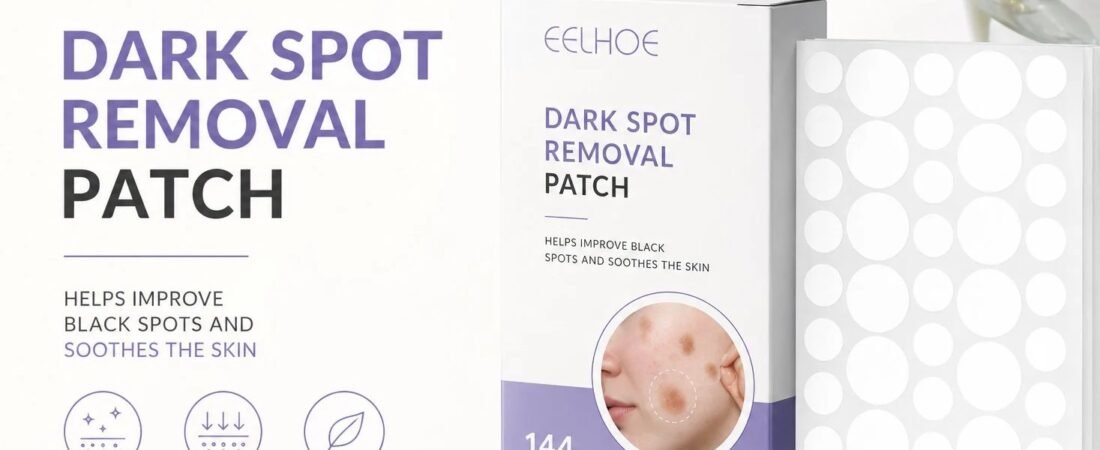
Hydrocolloid patches have quietly become one of the most trusted tools in skincare — not because they’re new or trendy, but because they actually do what they claim, without much fuss. If you’ve ever wondered whether those little dot stickers are worth it, here’s what’s actually happening under one.
What Hydrocolloid Actually Is
Hydrocolloid is a moisture-absorbing material originally developed for wound care — it’s been used in hospitals for decades to help wounds heal in a moist, protected environment. Skincare patches borrow the same idea and shrink it down to something that fits neatly over a blemish.
How It Works on a Breakout
When you press a patch over a blemish, it creates a moist, sealed micro-environment. That environment does two things at once: it draws fluid and gunk out of the blemish through gentle absorption, and it physically blocks you from touching, picking, or squeezing the area — which is often the single biggest thing slowing a breakout’s healing in the first place.
You’ll usually see the patch turn cloudy or white in the spot where it’s absorbed fluid. That’s a good sign — it means it’s doing its job, not that anything’s gone wrong.
When They Work Best
Hydrocolloid patches are most effective on blemishes that already have a visible whitehead — there’s a surfaced pocket for the patch to draw from. On deeper, non-surfaced spots (the kind that feel like a bump under the skin with no visible head), a patch will still protect the area from picking, but it won’t do much to speed healing, since there’s nothing at the surface for it to work on yet.
How to Use Them
- Cleanse and fully dry the area first — patches don’t stick well to damp or oily skin.
- Press a patch over the blemish, matching the patch size to the spot rather than covering more skin than you need to.
- Leave it on for a few hours, or overnight for the best results.
- Peel it off gently and follow with your normal routine.
Why the Thin Ones Matter
Not all patches are created equal. Thicker, older-style patches tend to sit as a visible white circle — fine overnight, awkward if you need to wear one during the day. Ultra-thin patches sit flatter and nearly disappear under makeup, which is the difference between a patch you’ll actually reach for and one that stays in the drawer.
Try our ultra-thin hydrocolloid patches — 36 patches across 4 sheets in a range of sizes, so you can match the patch to the spot instead of the other way around.