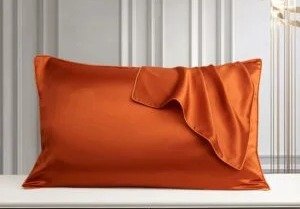
Swapping a cotton pillowcase for a silk one is one of those changes that sounds like a small luxury but actually shows up in real, noticeable ways — especially if you deal with frizzy hair, sleep creases, or skin that feels tight and dry by morning. Here’s what’s actually different, and why it matters.
Friction Is the Real Culprit
Cotton has a rougher fiber structure than silk, and over a full night of tossing and turning, that texture creates friction against your skin and hair. That friction is what causes tangled, frizzy hair by morning, and it’s also a contributing factor in sleep creases — those temporary lines that form when skin gets tugged and folded against fabric for hours.
Silk’s fibers are smoother and lie flatter, so your skin and hair glide across the surface instead of catching on it. Less friction means less tugging, less tangling, and less pulling at hair follicles overnight.
Moisture: Where It Actually Goes
Cotton is absorbent by design — that’s great for towels, less great for a pillowcase you’re pressing your face into for eight hours. It can pull some moisture from your skin and any product you’ve applied, which is part of why skin can feel a little tight or dry by morning on cotton. Silk isn’t absorbent in the same way, so more of what you put on your skin at night stays on your skin.
Temperature
Silk also tends to feel cooler against skin than cotton, which is a genuinely nice side effect if you run warm at night or live somewhere humid. It’s not a climate-control fabric, but the difference is noticeable enough that a lot of people mention it as their favorite part.
What to Look For
Not all “silk” pillowcases are equal — momme count (the traditional measure of silk density and quality) matters. Lower momme silk is thinner and less durable; something in the 19–25 momme range is generally considered the sweet spot for a pillowcase that holds up over time while still feeling genuinely smooth.
Is It Worth Switching?
If you’re chasing a specific skin or hair concern, a silk pillowcase isn’t a treatment — it won’t fix acne or reverse damage on its own. But as a low-effort swap that reduces nightly friction and helps your skin hold onto moisture and your hair stay smoother, it’s one of the easiest upgrades to make, and you’ll likely notice the difference within the first week.
Our 22-momme mulberry silk pillowcase is gentle on skin and hair overnight, and noticeably cooler to sleep on than cotton.